

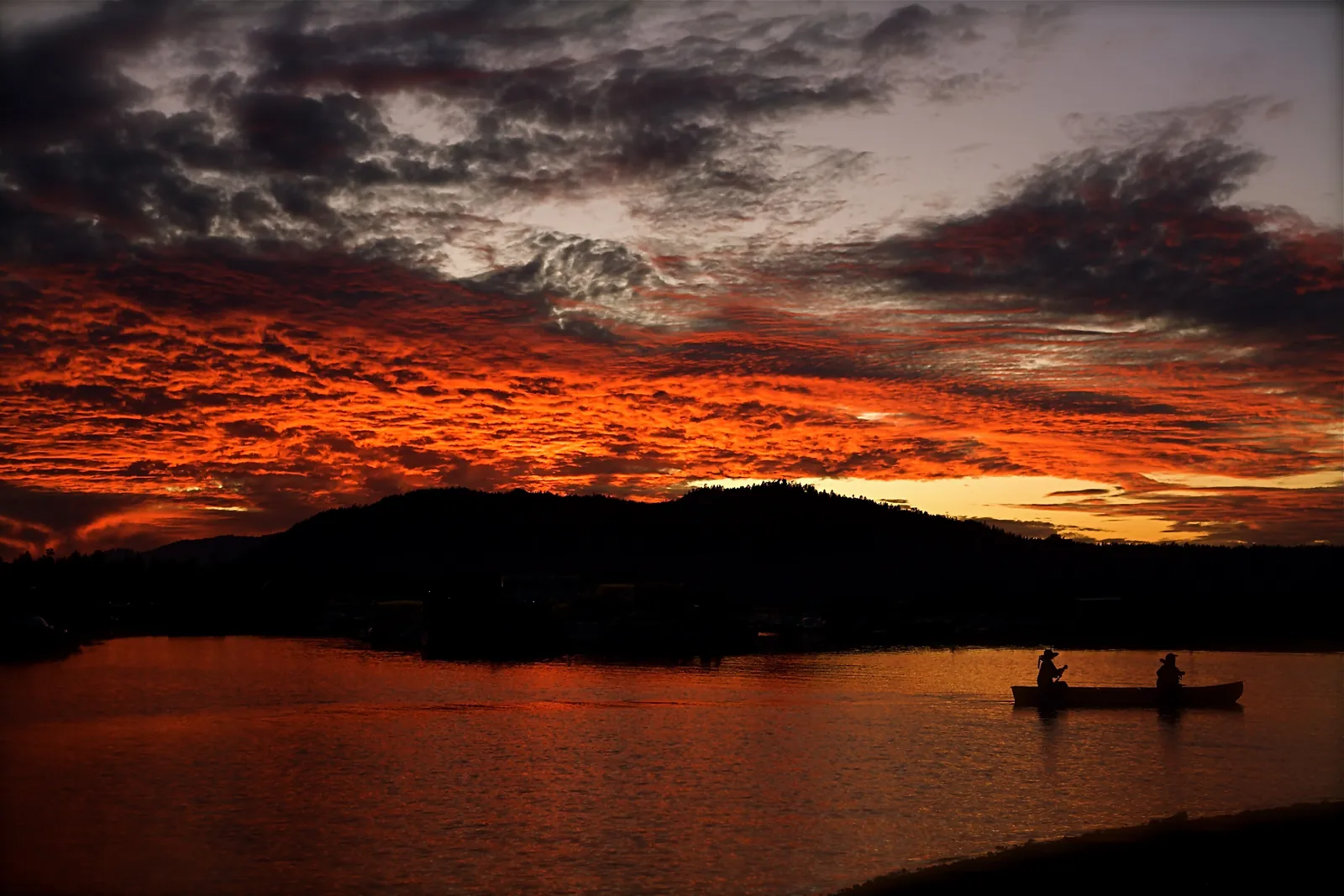
 Photo: Steve Hedin, CC BY-SA 3.0
Big Bear Lake
Big Bear Lake is a Southern California mountain destination 100 miles northeast of Los Angeles, known for winter skiing, summer water recreation, and alpine wildlife.
- Valley elevations run from 6,750 to 9,000 feet
- Winter snow sports run from November through April, weather permitting
- Drivers must carry tire chains starting November 1
- Free public trolleys link downtown, snow play, and ski slopes
Checked
- elevation
- 6,750–9,000 ft
- Best months
- Nov–Apr for snow sports
- adventure pass
- $5 a day or $30 a year
- From LA
- 100 mi
The valley features high alpine lakeshore, pine forest hikes, and Southern California's highest lift-served peak. Cold winter storms bring skiing and eagle viewing, while mild summers draw boaters and anglers. Visitors can explore quiet north shore paths or use public transit around the central core.
Things to do in Big Bear Lake
-
Big Bear Lake
A 7-mile freshwater lake offering boating, quagga-inspected launches, and rainbow trout fishing across 22 miles of shoreline
7 mi long · Lake permit for private boats · Stay off lake ice
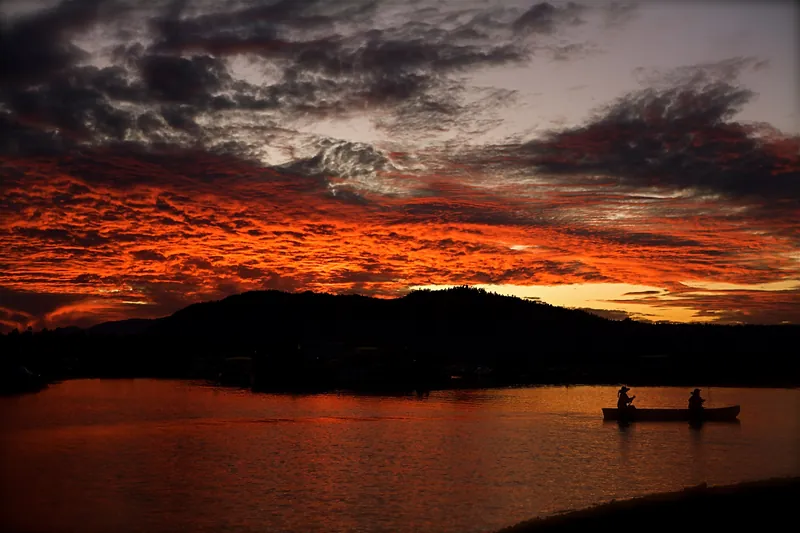
Steve Hedin, CC BY-SA 3.0 -
Snow Summit
Ski resort featuring 240 acres, 33 trails, select night sessions, and the site of the 1997 Winter X Games
Longest run 1.25 mi · 1,200 ft vertical · Earliest opening Nov 26, not confirmed
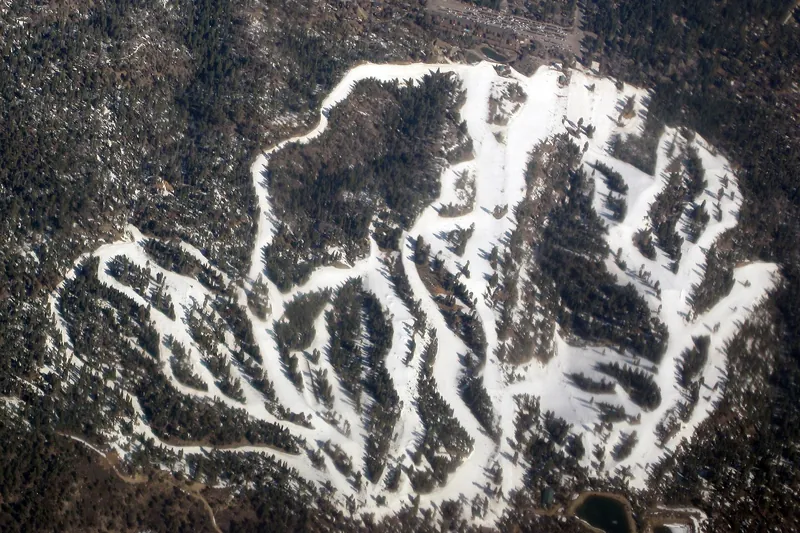
Doc Searls from Santa Barbara, USA, CC BY-SA 2.0 -
Bear Mountain
Southern California's highest lift-served peak, offering 198 skiable acres, groomed descents, and the region's only halfpipes
Longest run 1.5 mi · 1,665 ft vertical · Earliest opening Nov 27, not confirmed
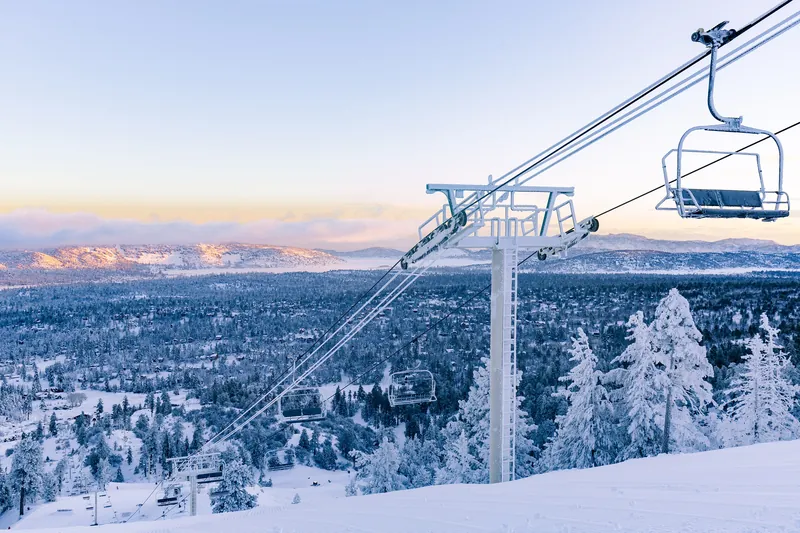
BigBearCabins, CC BY-SA 4.0 -
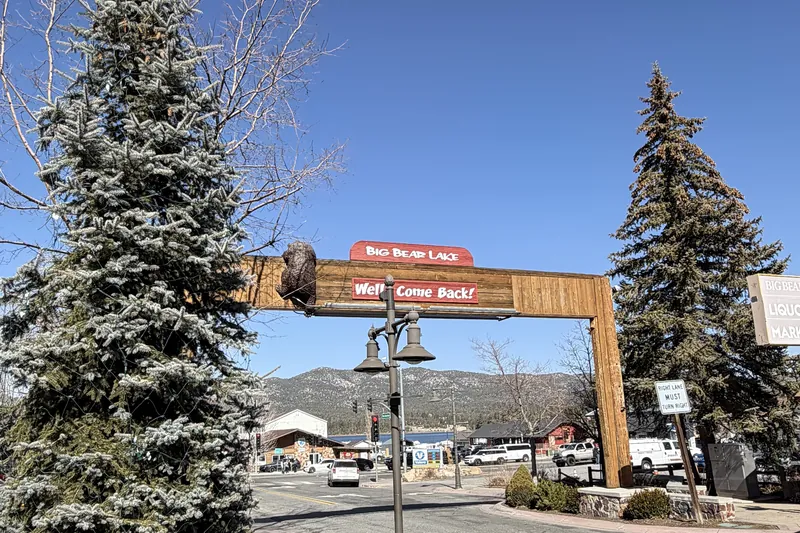
The Village
Downtown hub with daytime parking, free public trolley connections, dining spots, and seasonal stargazing sessions
Free parking dawn to dusk · Tree lighting Nov 27
WendyAvilesR, CC BY-SA 4.0 -
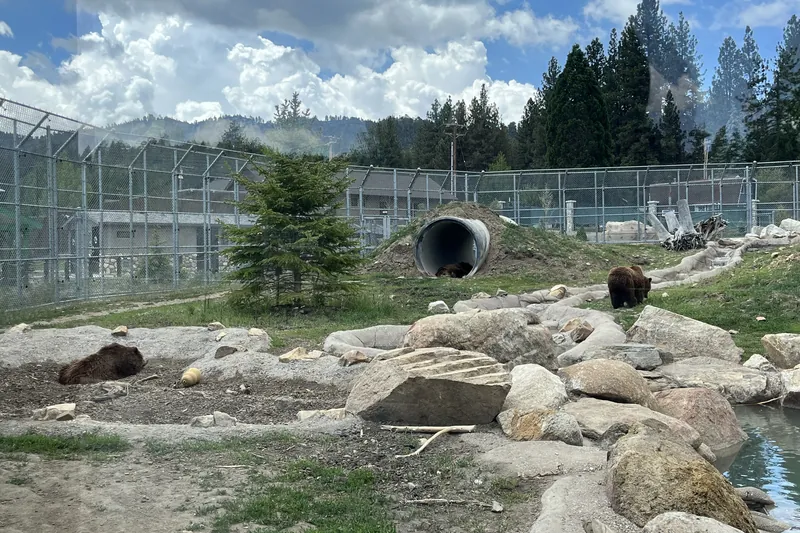
Big Bear Alpine Zoo
Wildlife rehabilitation center housing over 85 species at high elevation, featuring evening Wild Lights during winter
$17 adults · Winter hours 10 am–4 pm
Librarybell, CC0 1.0 -
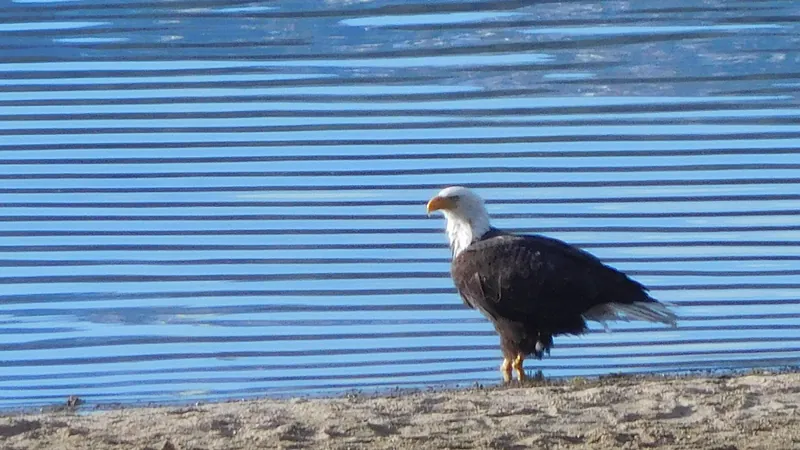
Big Bear Bald Eagle nest cam
Continuous nest livestream showing local bald eagles from a Jeffrey pine 145 feet above ground
Free stream · Eggs Jan–Apr
San Bernardino Nat'l Forest, Public domain -
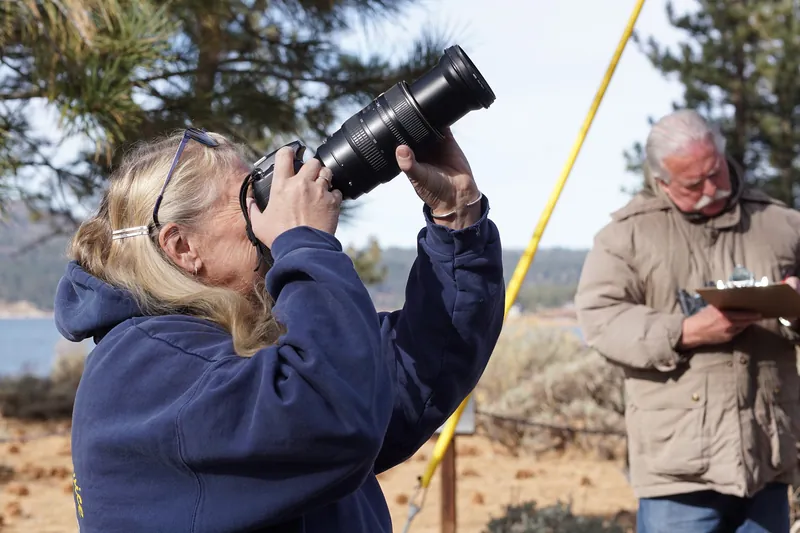
Stanfield Cutoff
Eastern causeway viewing area for spotting arriving winter eagles alongside pelicans and herons across the water
Eagles late Nov–early Apr
San Bernardino Nat'l Forest, Public domain -
Alpine Pedal Path
Paved north shore path connecting picnic sites, eagle habitat, and a route to the Cougar Crest trailhead
Eagles late Nov–early Apr
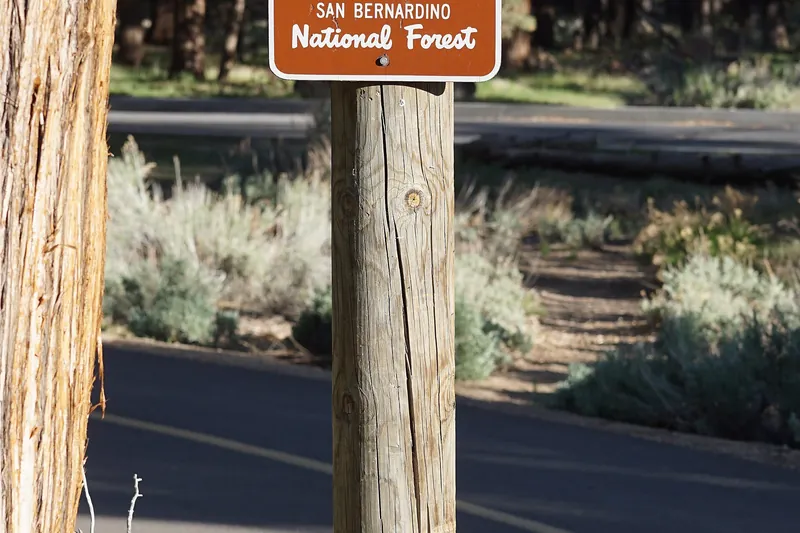
San Bernardino Nat'l Forest, Public domain -
Big Bear Discovery Center
Ranger station providing hiking maps, conditions updates, and the brochure for the historic Gold Fever Trail
Thu–Mon 9 am–4 pm · Closed Tue and Wed
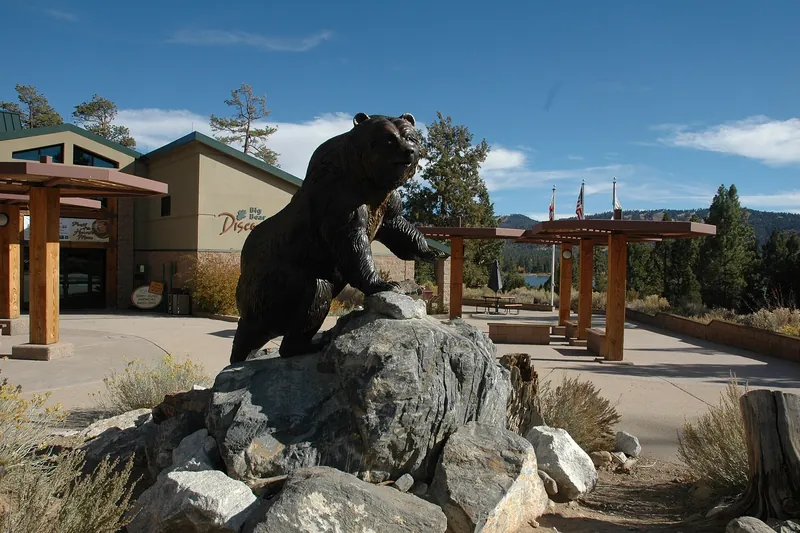
Pacific Southwest Region 5, Public domain -
Gold Fever Trail
A 12.3-mile self-guided backroad driving route exploring historic Holcomb Valley mines and early settlement markers
12.3 mi drive · Open all year, weather permitting
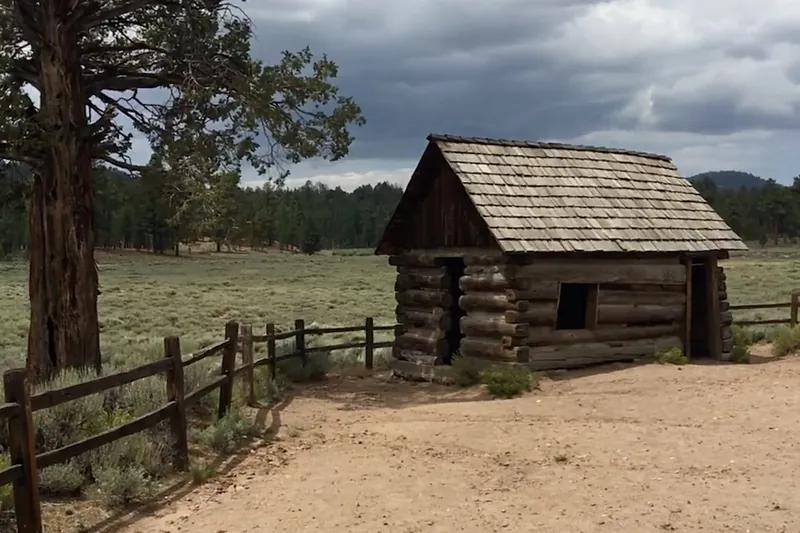
C Tahauri, CC BY-SA 4.0 -
Big Bear Solar Observatory
Solar research station holding three scientific telescopes, including a 1.6-meter instrument operated by NJIT
Free tours, summer only · No tours until summer
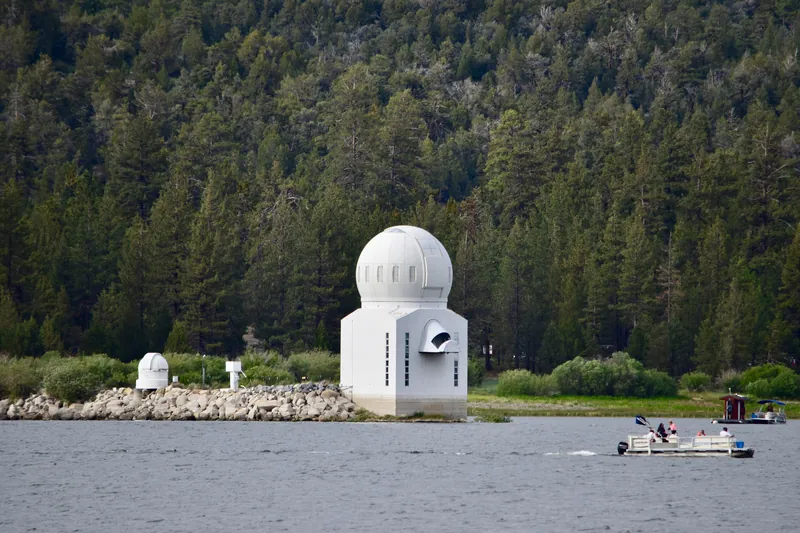
Z22, CC BY-SA 4.0 -
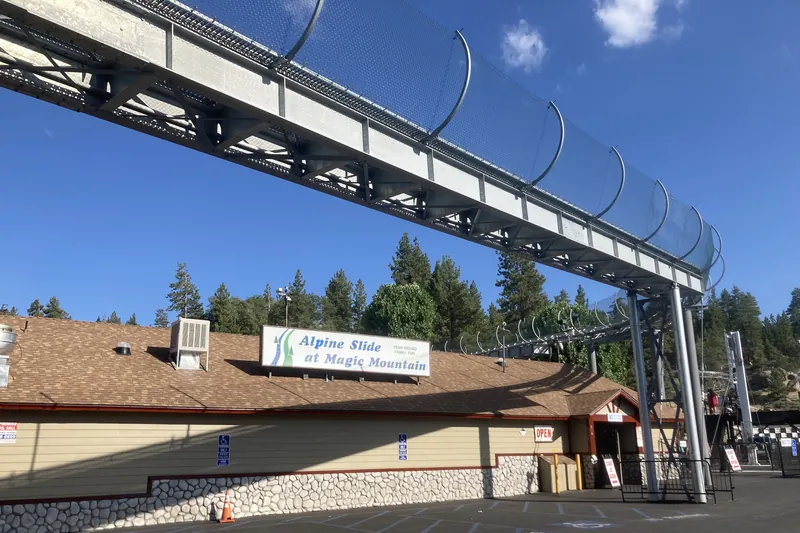
Alpine Slide at Magic Mountain
Twin quarter-mile alpine tracks navigated by sleds, accompanied by a winter tubing area running into spring
Two quarter-mile tracks · $10 a ride · Snow tubing mid-Nov to Easter
DarkNight0917, CC BY-SA 4.0 -
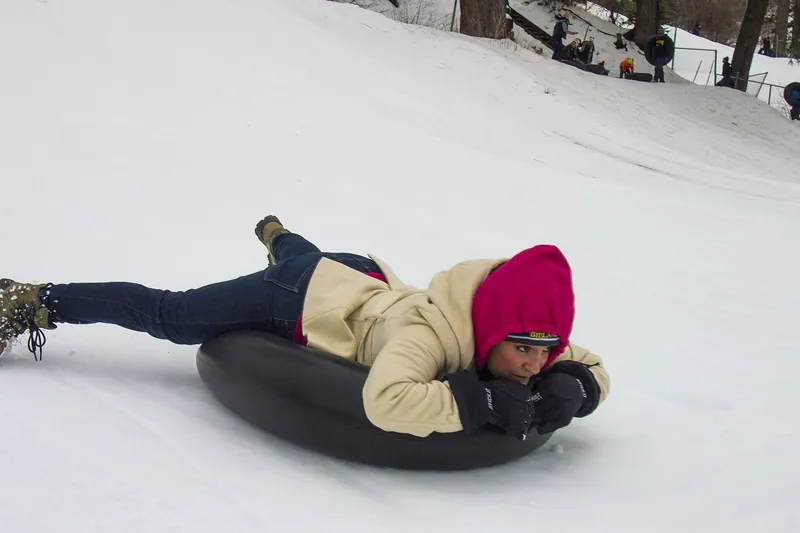
Big Bear Snow Play
Daily snow tubing park offering day sessions, evening glow sliding, and family winter recreation on groomed lanes
Daily 10 am–4 pm · $50 day session · Open from Nov 13
Ian D. Keating, CC BY 2.0 -
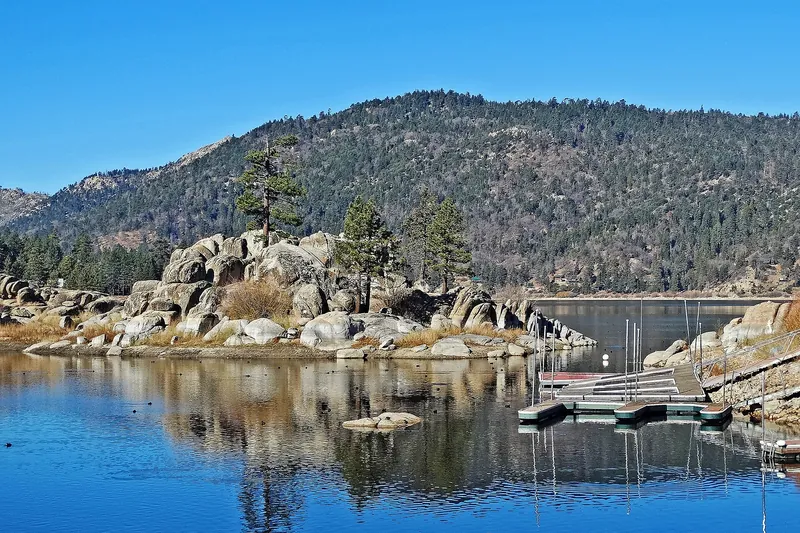
Boulder Bay Park
Lakeside park and neighborhood providing water vistas, eagle watching, and access to the 2.4-mile Castle Rock Trail
Castle Rock 2.4 mi round trip · 500 ft · Castle Rock lot free
inkknife_2000 (7.5 million views +), CC BY-SA 2.0
Where to eat
Local dining centers around casual downtown cafes, lakeside grill houses, and regional international menus.
-
Captain's Anchorage
Long-running mountain venue serving prime rib cuts, steaks from the broiler, and fresh seafood plates alongside full bar drinks
-
Himalayan Restaurant
Village dining spot serving Tibetan, Nepalese, and northern Indian specialties, highlighting steamed mo-mo dumplings on an outdoor patio
-
Royal Thai Bistro
Central Village establishment preparing traditional dishes influenced by the distinct culinary regions of Thailand
-
Café Crêpe
Morning cafe making sweet and savory French crêpes accompanied by fair-trade, organic coffee and vegan choices
-
Amangela's Sandwich and Bagel House
Village sandwich counter assembling deli lunches and breakfast bagels with fresh bread, Boar's Head meats, and coffee
Where to stay
- City of Big Bear Lake, around the Village Central base keeping you near dining, ski lifts, and marinas while avoiding steep hillside drives and providing free trolley access
- Moonridge Neighborhood near the zoo, ski mountain, and golf course, though higher streets require caution during snowy conditions
- Boulder Bay Lakeside enclave close to Castle Rock hiking and boat moorings, subject to congested traffic during busy hours
- Fawnskin, on the north shore Quiet north shore setting next to public forest land, with a general store, cafe, and rustic winding streets
- Big Bear City and the east valley Quieter eastern valley communities offering a slower pace and rural acreage where wild burros roam
A day, or two
One day
Begin the morning by checking trail conditions at the Big Bear Discovery Center before taking a walk along the Alpine Pedal Path to spot winter birds. Head into the Village for lunch, then spend the afternoon sliding on the hills at Big Bear Snow Play. Finish your evening with dinner along Pine Knot Avenue.
Two days
Spend your first morning exploring the trails above Castle Rock before renting a boat or walking the shore of Big Bear Lake. On day two, head up the slopes at Snow Summit or Bear Mountain, followed by an afternoon visit to the resident wildlife at Big Bear Alpine Zoo. Conclude your weekend browsing shops in the Village.
Getting there
The valley lies 100 miles northeast of Los Angeles within the San Bernardino National Forest. Highway 330 out of Highland serves as the most common ascent, while Highway 18 via Lucerne Valley delivers the fastest climb. Drivers can also take Highway 38 from Redlands for a more comfortable grade, but should monitor mountain road reports before traveling.
Questions people ask
Do you need chains to drive to Big Bear?
You must carry tire chains or cables starting November 1, and Caltrans enforces R-1, R-2, or R-3 traction requirements during winter storms. Speeds drop to 25 or 30 miles an hour when controls apply, and vehicles may be inspected.
How far is Big Bear Lake from Los Angeles, and which road is best?
Big Bear Lake sits 100 miles northeast of Los Angeles, with Highway 330 from Highland being the most common approach. Highway 38 via Redlands offers a gentle climb, while Highway 18 from Lucerne Valley provides the quickest route.
Are Snow Summit and Bear Mountain open yet?
Snow Summit and Bear Mountain open once temperatures permit snowmaking, typically running from November through April. For the 26/27 season, earliest projected ticket dates were set for November 26 at Snow Summit and November 27 at Bear Mountain.
Where can you go snow tubing or sledding in Big Bear?
Snow tubing is available on groomed lanes at Big Bear Snow Play and the Alpine Slide at Magic Mountain. Sledding is also permitted across public national forest areas, but playing on frozen lake ice is illegal and unsafe.
Is the Big Bear eagle cam live, and can you see the eagles in person?
The eagle cam streams 24/7 online, while wintering bald eagles can be spotted in person from late November through early April around Stanfield Cutoff and the north shore. Nesting zones remain strictly closed to protect the birds.
Do you need an Adventure Pass in Big Bear?
An Adventure Pass is required to park at national forest recreation areas and trailheads across the valley. Visitors can buy a pass for $5 per day or $30 per year at the local visitor center, or use an interagency pass.
What is the elevation of Big Bear Lake, and what is the weather like?
Altitudes range between 6,750 and 9,000 feet, providing mild 80-degree summer weather and more than 300 days of sunshine each year. Winter daytime temperatures reach the low 40s alongside recurring snowfalls.
Where can you park in Big Bear in winter?
Winter street parking is prohibited across the City of Big Bear Lake from October 14 to April 15 whenever snow conditions exist, risking a tow. Village public lots allow free daytime parking from dawn to dusk, but no overnight vehicle storage is permitted.
Facts on this page checked . Voitto Virta LLC.