
Los Angeles & Orange County · Seasons
Antelope Valley Poppy Reserve: Bloom Timing, Fees, and Rules
Poppies at the Antelope Valley California Poppy Reserve generally bloom from mid-March through April, with peak viewing usually arriving in late March or early April.
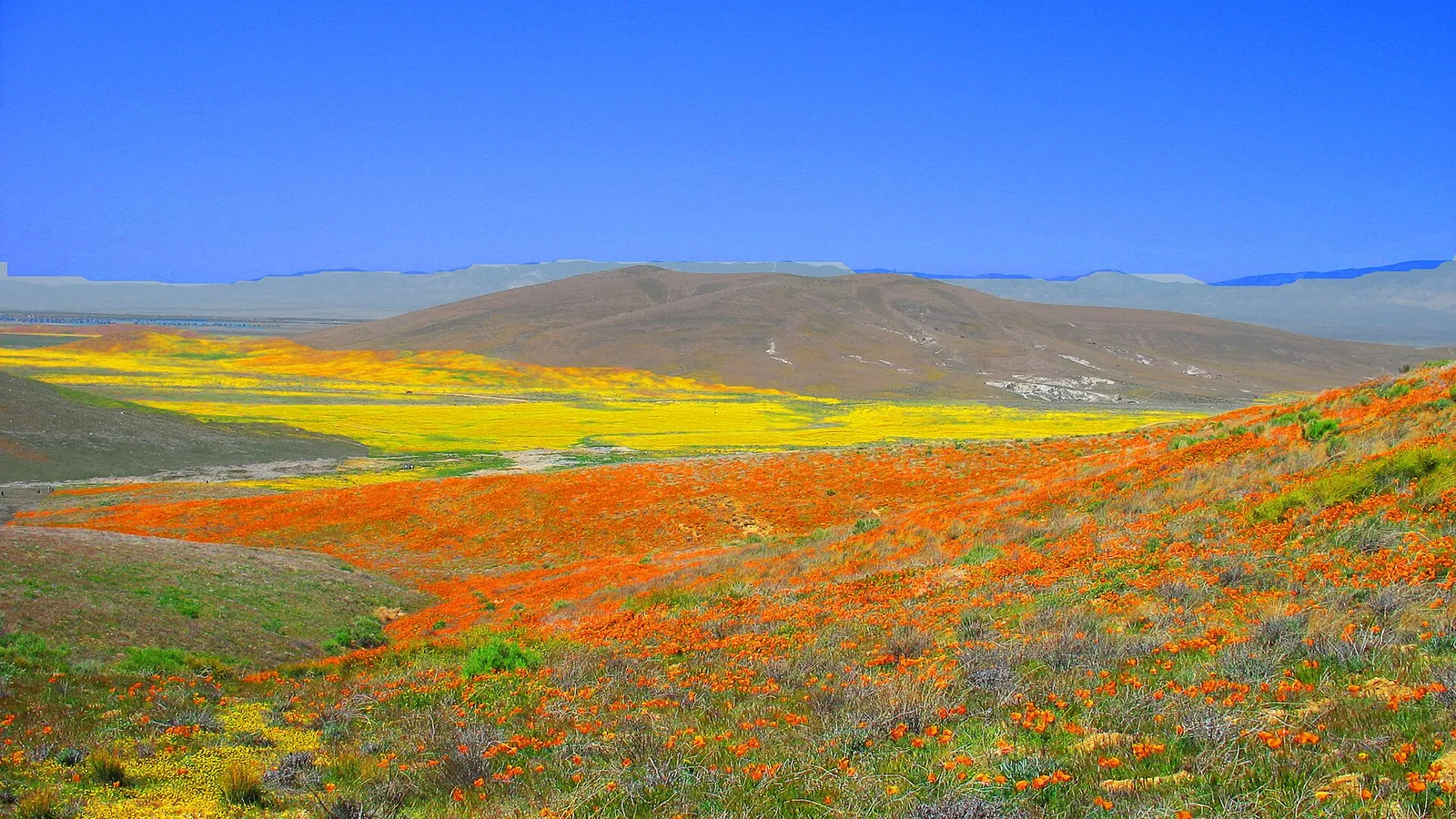
The Antelope Valley California Poppy Reserve sits on the most reliable poppy terrain in California, located in the western Mojave Desert. Wildflower displays generally appear from mid-March through April, though changing weather and precipitation shift the window from year to year. Peak poppy displays usually arrive during late March or early April.
When the poppies bloom at the reserve
The wildflower season across the park can start as early as mid-February and stretch through May. A state location guide places the broader flower window roughly from mid-March to mid-May, shaped by local precipitation and temperature patterns. During January 2026, state officials projected the bloom cycle would start around mid-March, featuring fiddleneck, redstem filaree, and poppies lasting through May. Because conditions shift drastically between springs, visitors should confirm field reports before making the drive.
What makes a good bloom year, and the superbloom years
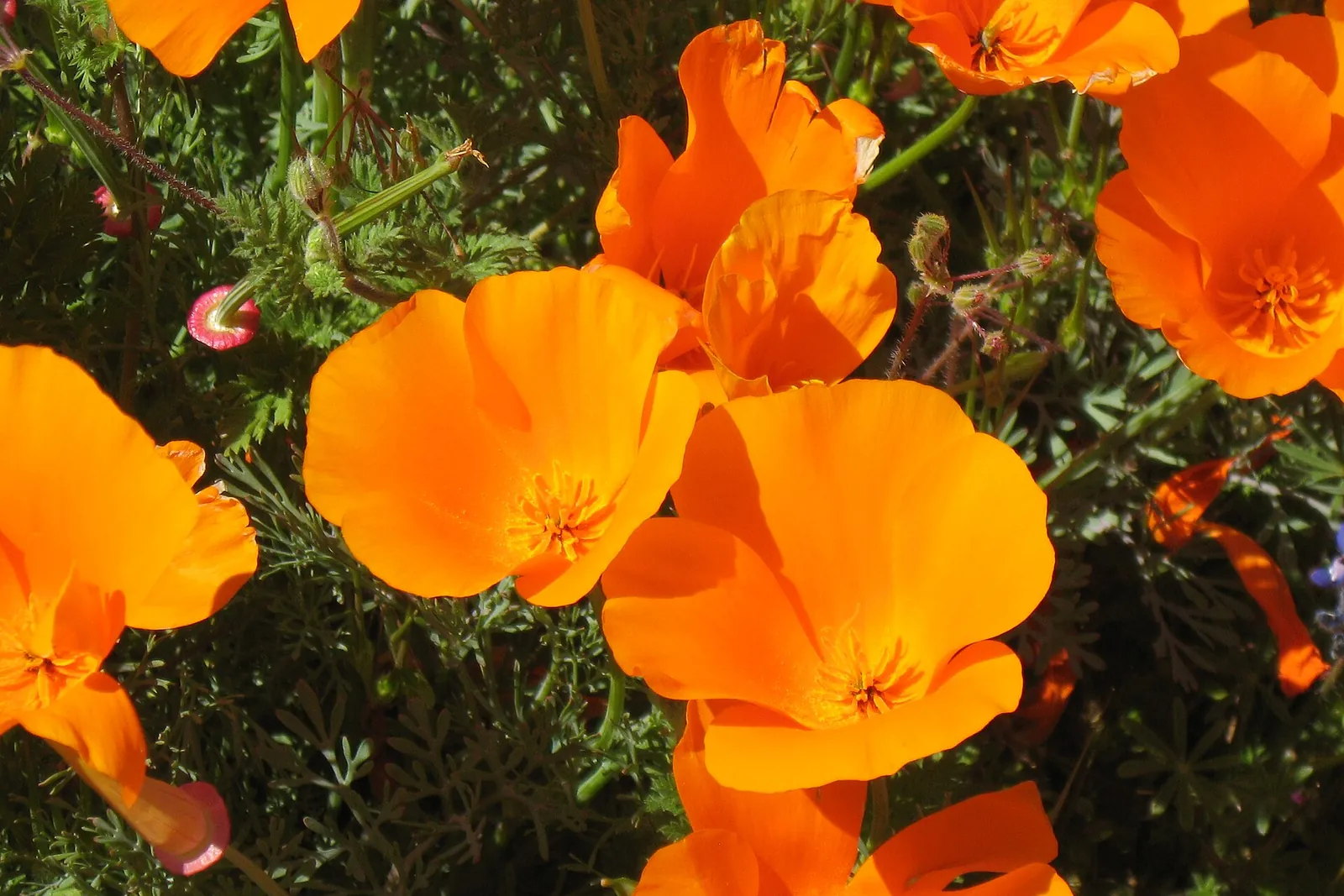
Rain totals, the spacing of storms, direct sunlight, seasonal temperatures, and spring winds dictate how the desert flowers develop. Extraordinary floral carpets historically follow winter cycles with moisture totals well over the regional baseline. Heavy rains that end multiyear dry periods can scrub competing invasive grasses and weeds, allowing dormant native seeds to flourish.
Massive carpets covered the hills during 2017 and 2019, bringing hundreds of thousands of people to the desert. The reserve also saw rolling carpets in 2023. By contrast, February 2025 brought expectations of a limited bloom because precipitation lagged behind the heavy moisture of 2017 and 2019, when sections of the acreage produced remarkable growth. State personnel do not irrigate the ground or artificially force growth; natural conditions control the outcome entirely. Travelers can monitor the park's official PoppyCam live video feed to inspect the slopes prior to heading out.
Getting there from Lancaster and Los Angeles
The reserve is 15 miles west of downtown Lancaster at 15101 Lancaster Road, set at an elevation of 2,600 to 3,000 feet. Drivers should check live road status along mountain corridors during variable spring weather.
- From Highway 14: Exit at Avenue I and drive 15 miles west. Avenue I becomes Lancaster Road as you approach the hills.
- From Interstate 5: Head east on Highway 138, turn right onto 170th Street West, and make a left at the dead end onto Lancaster Road for two miles.
- From Los Angeles International Airport (LAX): The reserve sits 63 miles away, taking about 1 hour 5 minutes by car under standard driving conditions.
The visitor center sits half a mile north of the junction of 150th Street West and Lancaster Road. Travelers planning wider itineraries across southern California or heading to Joshua Tree National Park can also visit Arthur B. Ripley Desert Woodland State Park, a free reserve featuring Joshua trees and native junipers situated seven miles west on Lancaster Road.
Fees, hours and the Jane S. Pinheiro Interpretive Center
The park grounds stay open from sunrise to sunset every day of the year. The Jane S. Pinheiro Interpretive Center operates exclusively during the spring wildflower season, open March 1 through Mother's Day. Operational hours are 10 a.m. to 4 p.m. on weekdays and 9 a.m. to 5 p.m. on weekends. According to the park's cooperating association update from October 12, 2026, the building is closed until March 1, 2027, though outdoor trails and picnic spots remain accessible from dawn to dusk. Current conditions are also reported on the wildflower phone line at (661) 724-1180.
| Entry Type | Standard Rate | Senior (62+) | DPR Disabled Card |
|---|---|---|---|
| Passenger Vehicle | $10 | $9 | $5 |
| Small Bus | $50 | — | — |
| Large Bus | $100 | — | — |
Attendants accept Visa and Mastercard at the entrance booth. Your day-use parking ticket grants free entry to any other California State Park facility that charges an equal or lower vehicle fee on that same calendar day.
Trails and the rules that get people cited
Eight miles of marked pathways thread through the Antelope Buttes, including a paved segment created for wheelchair use. Stepping off established paths crushes vegetation and leaves compacted dirt patches that can remain bare for years. State park regulations strictly prohibit leaving the trails for photographs, and taking or destroying any native plant inside the reserve violates California law.
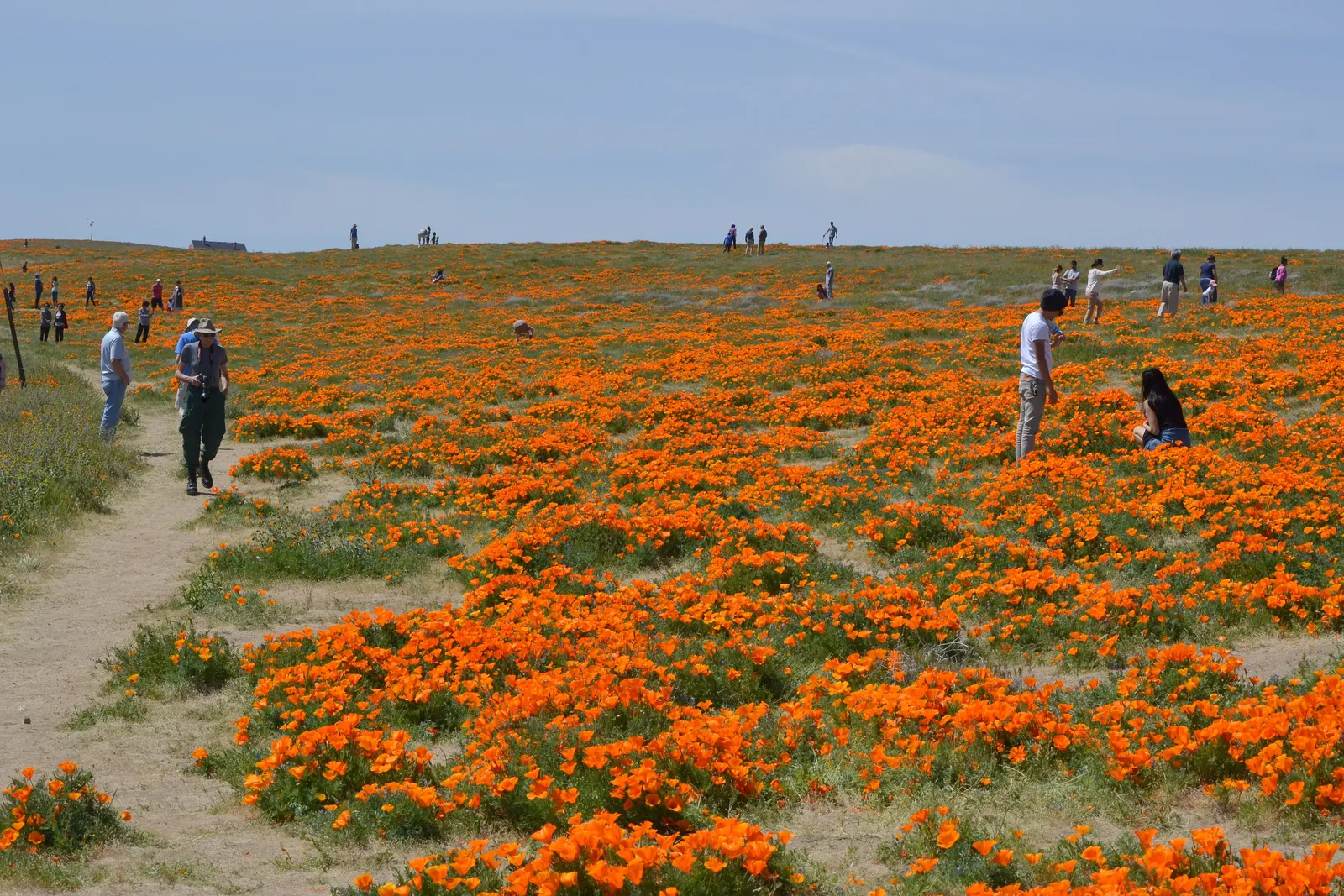
Pets are barred from all reserve trails and picnic zones, with exceptions granted only for trained service animals; comfort dogs are not allowed. A formal district order prohibits drone flights in the 500 feet of airspace directly above the reserve, including flights for recreational personal videography. Park law enforcement can cite operators who control aircraft over the reserve even if standing outside the boundary line. Desert winds can be fierce on these slopes, and poppy blossoms close up tightly whenever conditions are too cold for desert pollinators.
The state flower and the reserve's 50 years
Under Government Code Section 421, the California poppy became the recognized state flower on March 2, 1903, marking 123 years of official status by 2026. The state designates April 6 as California Poppy Day. A common myth claims that picking a poppy carries an automatic criminal offense anywhere in the state, but state wildlife officials clarify that California law carries no blanket statute protecting the poppy specifically; the legal ban against picking blossoms stems from general park system property protections.
The reserve encompasses 1,800 acres of high desert terrain. Established in 1976, the reserve reached its 50th anniversary on April 24, 2026. The protected hills welcome tens of thousands of hikers annually, with attendance surging past 200,000 visitors during expansive spring blooms.