

 Photo: Roman Tokman, CC BY-SA 4.0
Sequoia and Kings Canyon National Parks
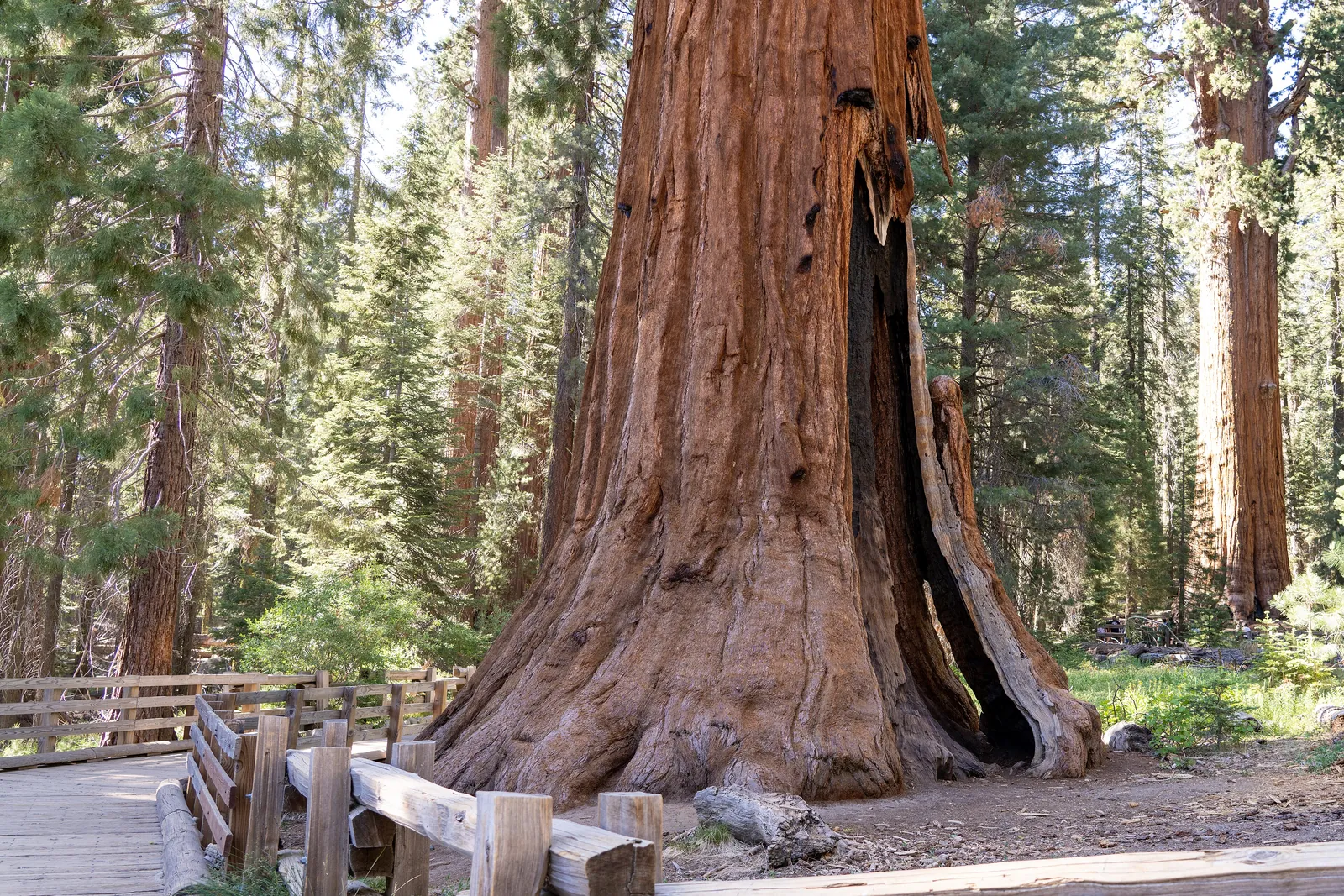
Sequoia National Park is a Sierra Nevada sanctuary famed for massive sequoias, best visited in summer for cool mountain groves or in winter for snowy sequoia walks and uncrowded foothill trails.
- One $35 vehicle pass covers both jointly managed parks
- Parks remain open 24 hours daily with no reservations needed
- Carrying tire chains is legally required in control zones
- No gas stations or electric vehicle chargers exist inside parks
Checked
- Fee
- $35 per car, 7 days, both parks
- Hours
- Open 24 hours, no reservation
- drive through
- At least two hours, entrance to entrance
- Best months
- Summer for the groves; winter and spring for the foothills
- Parking
- Giant Forest lots full by mid-morning in season
- From LA
- 225 mi, 4 hours
- From SF
- 250 mi, 4 h 30 min
- From Fresno
- 60 mi, 1 h 15 min
These twin national parks protect roughly one-third of the world's naturally occurring giant sequoias across high Sierra ridges and river canyons. Roads climb from low oak foothills to snowy monarch groves, linking two distinct parks managed together as a single unit. Visitors navigate steep mountain highways where seasonal snows dictate access from autumn through spring.
Things to do in Sequoia and Kings Canyon National Parks
-
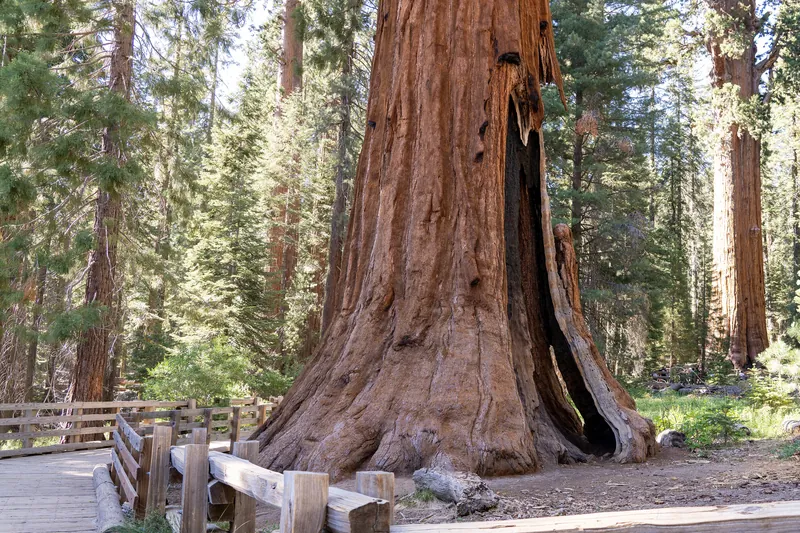
General Sherman Tree
World's largest tree by volume, accessible via a paved downhill trail or an accessible route along Generals Highway.
Half a mile to the tree · Main lot closes once snow accumulates
Roman Tokman, CC BY-SA 4.0 -
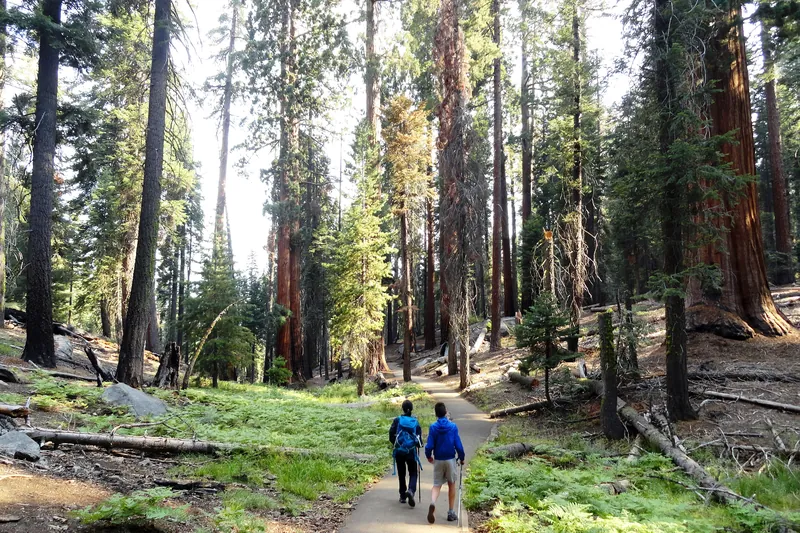
Congress Trail
Gentle paved pathway starting near General Sherman that winds past towering sequoia clusters like the House and Senate groups.
200 ft climb back to the main lot
Fabio Achilli from Milano, Italy, CC BY 2.0 -
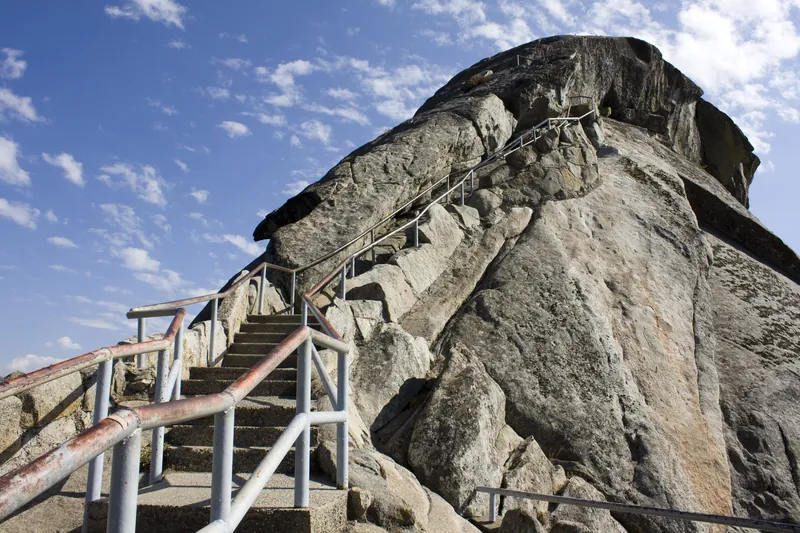
Moro Rock
Granite dome ascended by more than 350 stairway steps, offering panoramic vistas across the Great Western Divide.
0.25 mi · 300 ft · 30–120 min · Stairway closed when snowy or icy
Danny Covell, CC BY 3.0 -
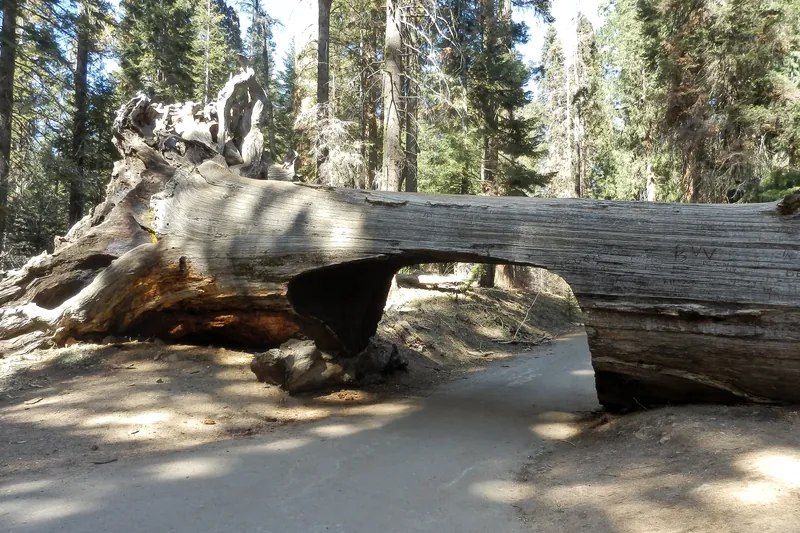
Tunnel Log
Fallen giant sequoia hollowed out in 1935, allowing passenger vehicles under eight feet tall to drive straight through.
0.5 mi past Moro Rock · 5–10 min · Hike, snowshoe or ski in winter
Alexander Migl, CC BY-SA 4.0 -
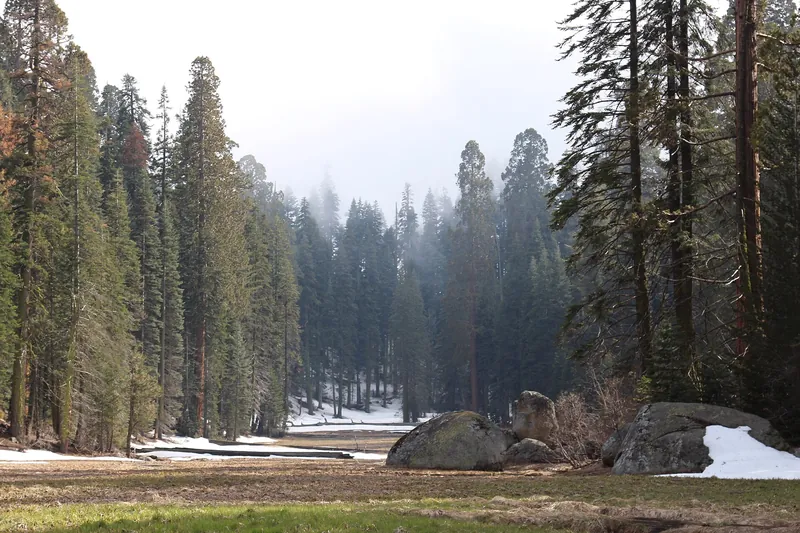
Crescent Meadow
Expansive forest meadow framed by walking paths leading to Tharp's Log cabin and the hollowed Chimney Tree.
1.8 mi round trip to Tharp's Log · Road closes with snow
David Fulmer, CC BY 2.0 -
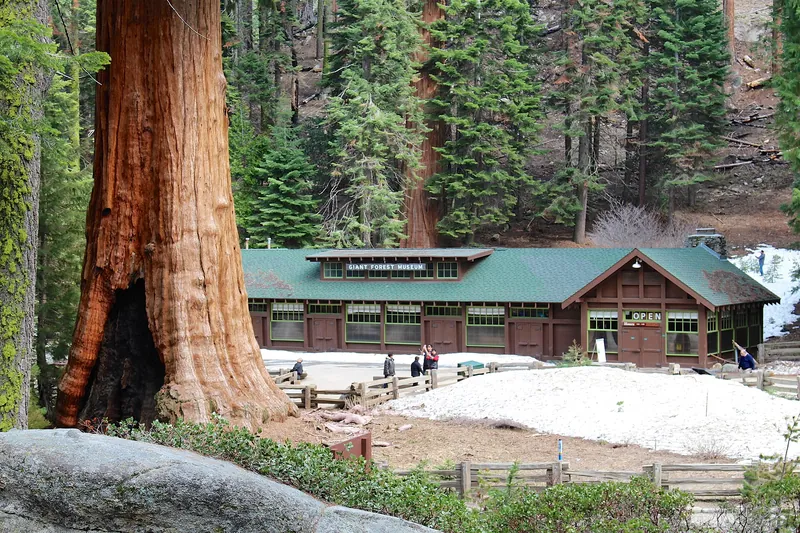
Giant Forest Museum
Year-round educational visitor center in Giant Forest providing park maps, bear canisters, nature exhibits, and ranger guidance.
10-min drive to the Sherman Tree · Free · Open all year
David Fulmer, CC BY 2.0 -
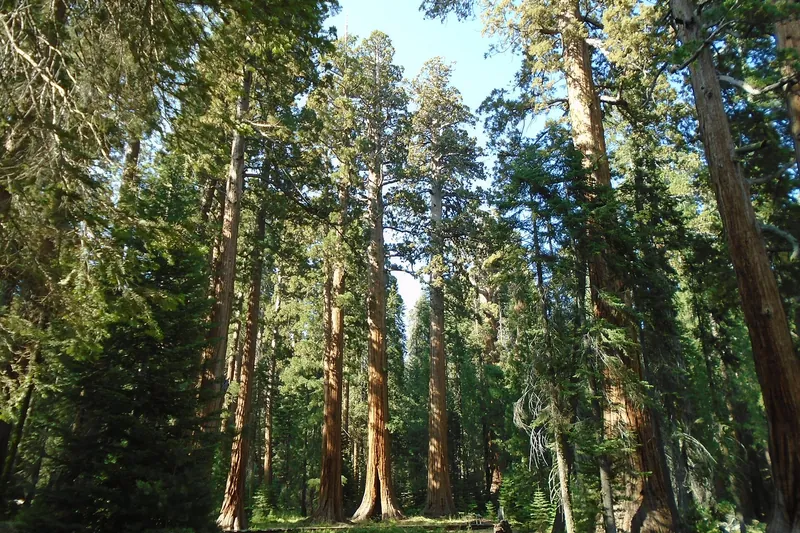
Big Trees Trail
One-hour paved loop circling Round Meadow with interpretive signs detailing giant sequoia growth and forest ecology.
about 1 hour
Pimlico27, CC BY-SA 4.0 -
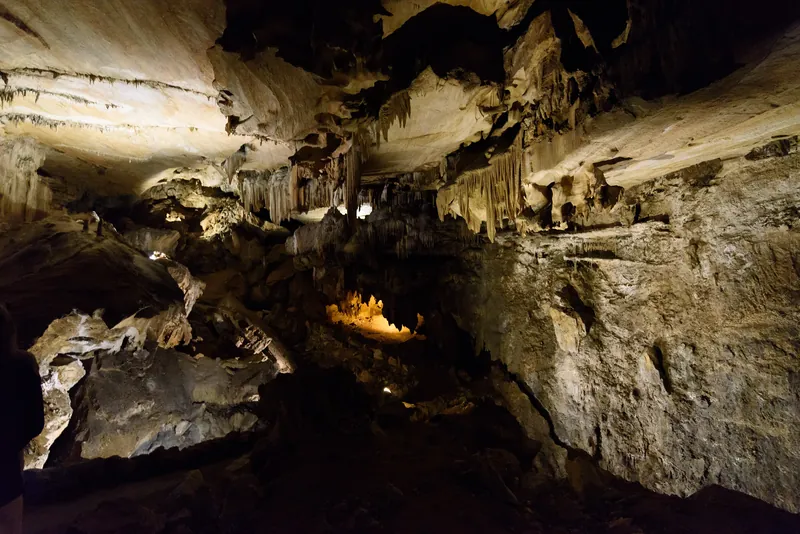
Crystal Cave
Marble cavern offering guided tours through delicate mineral structures, closed for the season until late spring 2027.
Steep half-mile walk to the entrance · 50-min tour · Tours end for 2026; expected back late spring 2027
King of Hearts, CC BY-SA 4.0 -
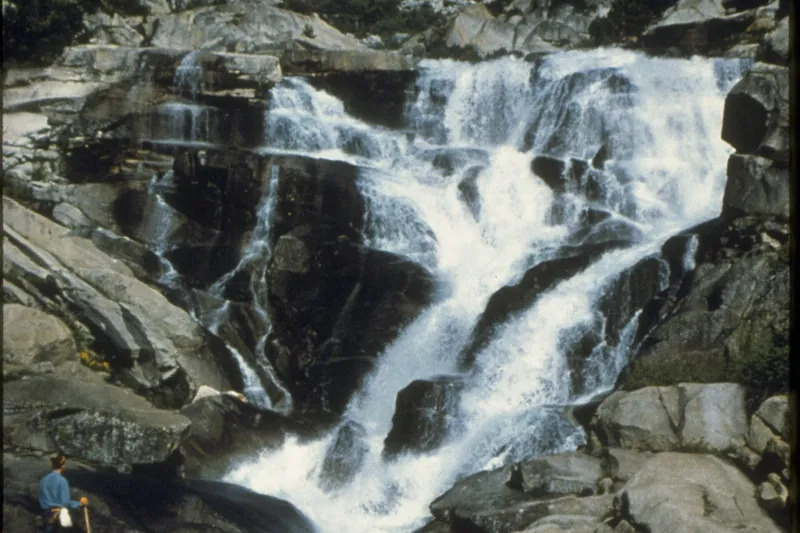
Tokopah Falls
A 1,200-foot seasonal waterfall reached by an unpaved 3.4-mile trek starting from Lodgepole Campground.
3.4 mi round trip · 600 ft · about 2 hours · Inaccessible when Lodgepole Campground closes in winter
National Park Service Digital Image Archives, Public domain -
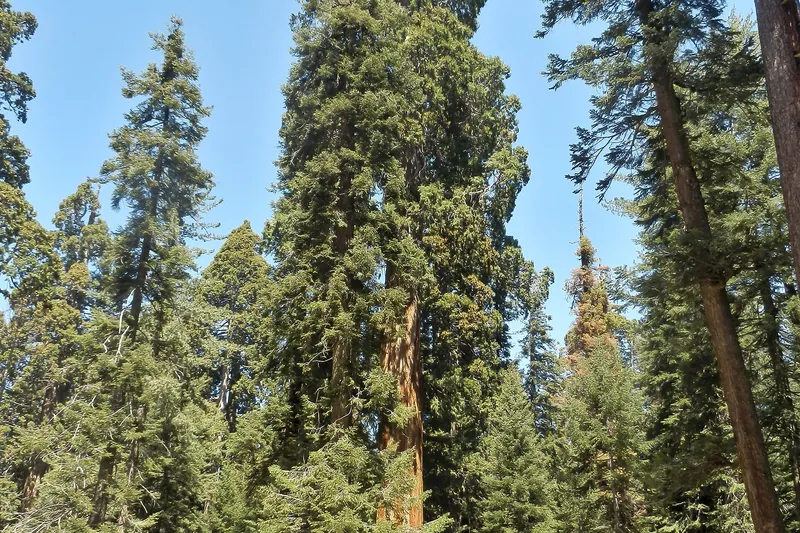
General Grant Tree
World's second-largest tree, recognized as the Nation's Christmas Tree, reached by a paved trail past historic cabins.
1 mi from the Kings Canyon Visitor Center
Alexander Migl, CC BY-SA 4.0 -
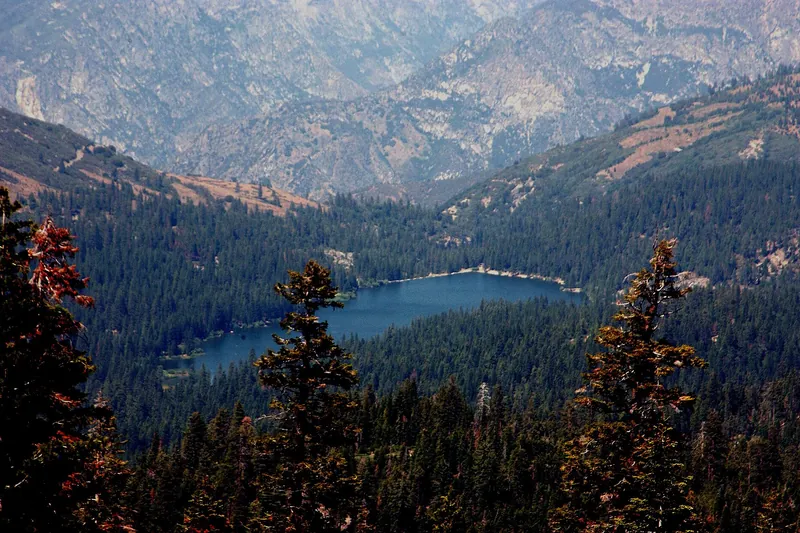
Panoramic Point
High viewpoint overlooking Kings Canyon and Hume Lake, reached by a half-mile walk or longer fire lookout trail.
Half-mile trail to the viewpoint · Road not plowed; usually closed in winter until late May
JERRYE AND ROY KLOTZ MD, CC BY-SA 3.0 -
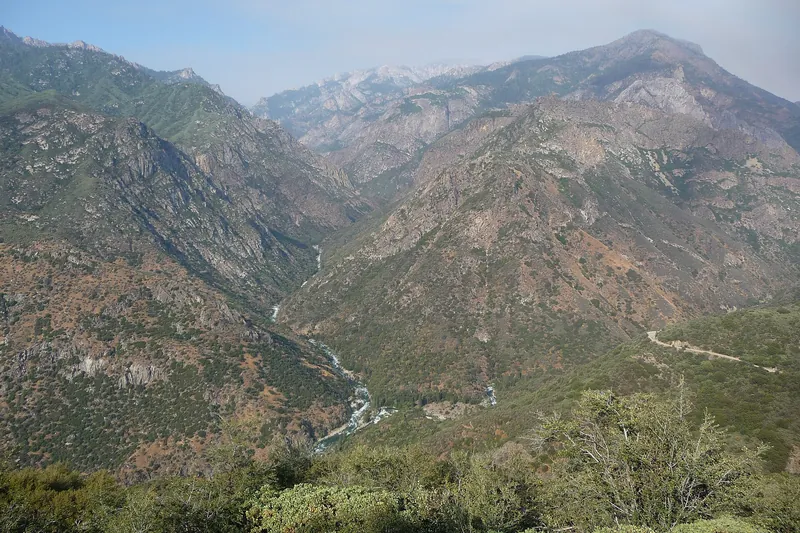
Kings Canyon Scenic Byway
Scenic descent into a glacier-carved gorge along Highway 180, closed for winter past Hume Lake Road.
45 min to an hour from Grant Grove · Closed past Hume Lake Road for winter as of Nov 15
Daniel Mayer (mav), CC BY-SA 3.0 -
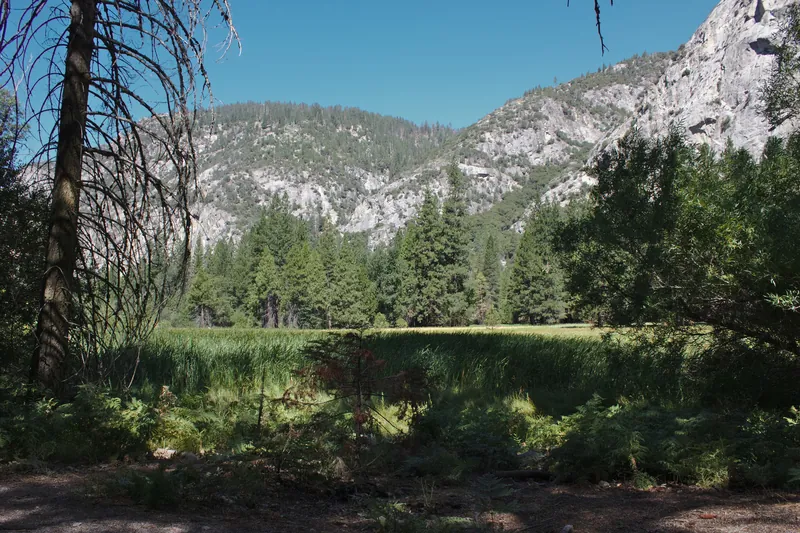
Zumwalt Meadow
Lush meadow bordered by sheer granite walls and the Kings River, accessed across a suspension bridge.
0.8 mi trail · Road closed for winter as of Nov 15
Carson Chiavatti, CC BY-SA 4.0 -
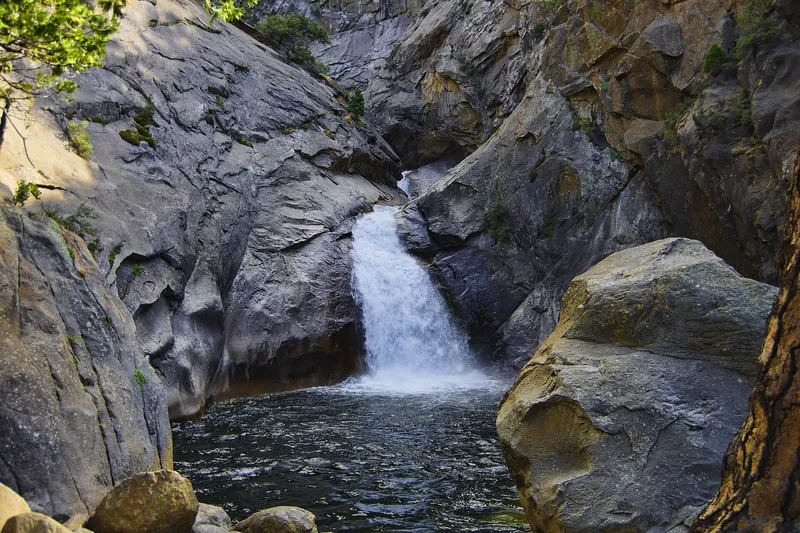
Roaring River Falls
Rushing 40-foot cascade dropping through a granite chute, located a short walk from parking in Cedar Grove.
0.5 mi from the parking lot · Road closed for winter as of Nov 15
Niagara66, CC BY-SA 4.0 -
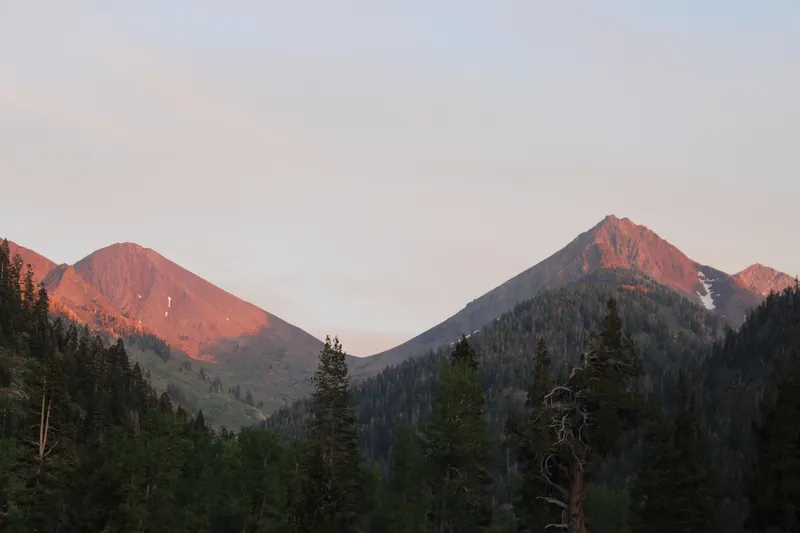
Mineral King
High subalpine basin reached by a steep, unpaved road that closes for winter and requires marmot protection.
1 h 30 min from Three Rivers · Road closed for winter; expected to reopen in 2027 on the Wednesday before Memorial Day
Peter J. Caprio, CC BY-SA 4.0 -
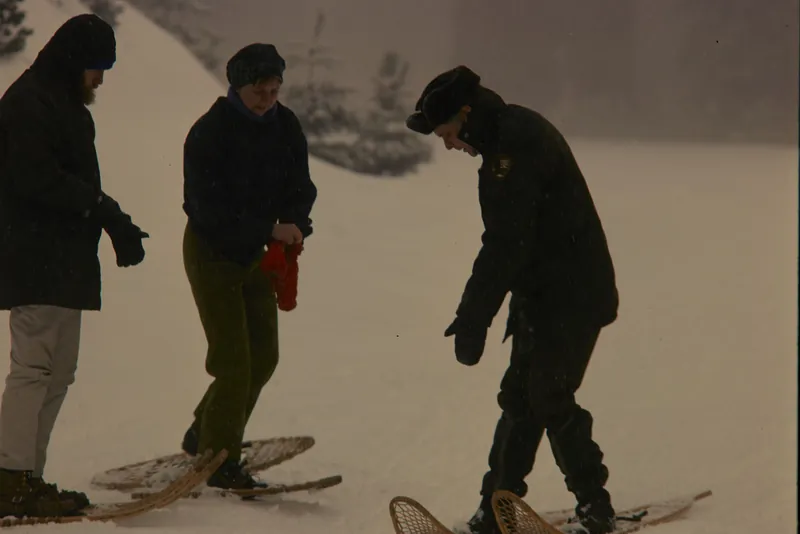
Snowshoeing and snow play
Designated winter recreation zones at Wolverton, Columbine, and Big Stump offering sledding hills and ranger-led snowshoe treks.
Ranger walks free · Winter, with snow
Milo Woodbridge Williams, Public domain -
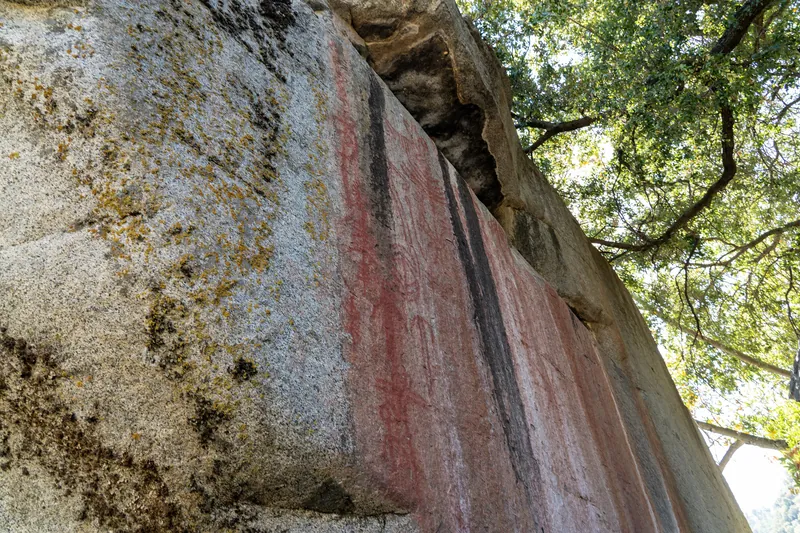
Hospital Rock
Riverside foothill stop along Generals Highway displaying Native American pictographs and bedrock mortars beside oak woodland.
Foothill trails open year-round
Roman Tokman, CC BY-SA 4.0
Where to eat
Dining options are limited inside the parks to seasonal lodge dining rooms and market deli counters, supplemented by casual restaurants in nearby Three Rivers.
-
The Peaks Restaurant
Sit-down mountain dining room at Wuksachi Lodge serving buffet breakfasts and evening alpine dinners including rib eye steaks.
-
Wuksachi Pizza Deck
Casual open-air patio at Wuksachi Lodge offering fresh salads and twelve-inch pizzas ordering straight from the bar counter.
-
Grant Grove Restaurant
Fast-casual counter inside Grant Grove Village serving burgers and salmon sandwiches overlooking Bradley Meadow among mature sequoias.
-
The Gateway Restaurant & Lodge
Riverfront dining spot in Three Rivers offering steaks, rack of lamb, salmon, and late evening bar service.
-
Sierra Subs and Salads
Riverside counter in Three Rivers crafting sandwiches, salads, and grilled quesadillas with outdoor deck seating over the water.
Where to stay
- Three Rivers, outside the Ash Mountain Entrance Riverside gateway town just outside the southern entrance offering motels, chain sales, restaurants, and reliable gas supplies.
- Wuksachi Lodge and Lodgepole, inside Sequoia National Park Central in-park base at 7,050 feet near Giant Forest, featuring modern hotel rooms and summer campground sites.
- Grant Grove Village, inside Kings Canyon National Park Kings Canyon hub providing rustic cabins, hotel lodging at John Muir Lodge, and winter first-come camping.
- The Foothills: Potwisha Campground Mild low-elevation campground open year-round by the Kaweah River, staying largely snow-free while offering easy highway access.
Cameras near Sequoia and Kings Canyon National Parks
A day, or two
One day
Begin early along the Generals Highway to reach the Giant Forest Museum before parking areas fill. Walk down the paved path to admire the General Sherman Tree, then continue along the Congress Trail among monarch sequoias. Drive down Crescent Meadow Road to see Moro Rock and pass through Tunnel Log before heading north to Grant Grove to view the General Grant Tree.
Two days
Spend the first day exploring the Giant Forest, climbing the stairs up Moro Rock, walking Round Meadow on the Big Trees Trail, and viewing the General Sherman Tree. Dine and lodge at Wuksachi Lodge or down in Three Rivers. On the second day, travel the Generals Highway north into Kings Canyon to explore Grant Grove and take in Panoramic Point, adding Cedar Grove trails when Highway 180 opens in summer.
Getting there
The Ash Mountain Entrance on Highway 198 lies about 45 minutes from Visalia and four hours from Los Angeles, leading into Sequoia along a winding, narrow route where vehicles over 22 feet are advised against. The Big Stump Entrance on Highway 180 is 60 miles east of Fresno and about four and a half hours from San Francisco, providing a wider, gentler approach for larger rigs. No roads cut across the Sierra crest within either park, and online navigation should be checked against official highway advisories.
Questions people ask
How much does it cost to get into Sequoia National Park?
Admission costs $35 per private automobile for one to seven days, covering both Sequoia and Kings Canyon, while pedestrians and cyclists pay $20 each. Foreign travelers aged 16 and older pay a supplementary $100 fee per individual unless presenting an annual park pass, and gates only accept cashless payments.
Do I need chains to drive in Sequoia and Kings Canyon?
Carrying tire chains is mandatory under California law for all vehicles within posted chain-control zones from fall through spring, even for four-wheel-drive cars. Traction rules can take effect immediately during Sierra snowstorms, enforcing a 25-mile-per-hour limit or restricting vehicles lacking proper equipment.
Is Sequoia National Park open right now?
Both parks are open 24 hours a day year-round, but specific roads shut down for winter storms and snow accumulations. Generals Highway between entrances was listed open on November 15, 2026, while seasonal routes including Mineral King Road, Crystal Cave Road, and Highway 180 past Hume Lake Road were closed for winter.
Should I visit Sequoia or Kings Canyon?
Visiting both parks is easy because they share a single boundary and one admission ticket, but they feature different landscapes. Sequoia contains the largest sequoia trees and granite domes like Moro Rock, while Kings Canyon offers Grant Grove, Panoramic Point, and the deep river gorge of Cedar Grove.
What is the best time to visit Sequoia National Park?
Summer is the most popular time to visit for warm sequoia grove strolls and fully open roads, though lines at entrance gates can back up for one to two hours on busy weekends. Winter offers snowy sequoia trails and cool foothill wildflower hikes, though high-elevation areas require snow gear and tire chains.
Where is Sequoia National Park and how do I get there?
Sequoia National Park sits in California's southern Sierra Nevada, reachable via Highway 198 through Three Rivers or Highway 180 through Fresno. Driving from Fresno takes about an hour and 15 minutes, while Visalia is about 45 minutes from the southern gate.
Can you drive between Sequoia and Kings Canyon?
Driving between both parks is straightforward along the Generals Highway, which links Lodgepole and Grant Grove in about 45 minutes to an hour when clear. If winter storms close high sections of Generals Highway, travelers must detour outside the park boundary along Highway 245.
Is there gas or cell service in Sequoia National Park?
Neither gas stations nor vehicle chargers operate within park boundaries, so motorists must refuel beforehand. Fuel is available outside the gates in Three Rivers, Yokuts Valley, or seasonally at Stony Creek, and cell service is virtually nonexistent away from visitor centers and Lodgepole.
Facts on this page checked . Voitto Virta LLC.